
Understanding Hair Loss
At SHREE Hair Loss Information & Facilitation Centre, our approach begins with understanding the problem before discussing a solution. The objective is not simply to sell a treatment. It is to help you make an informed decision about your hair.
We help you understand:
The objective is not simply to sell a treatment. It is to help you make an informed decision about your hair.

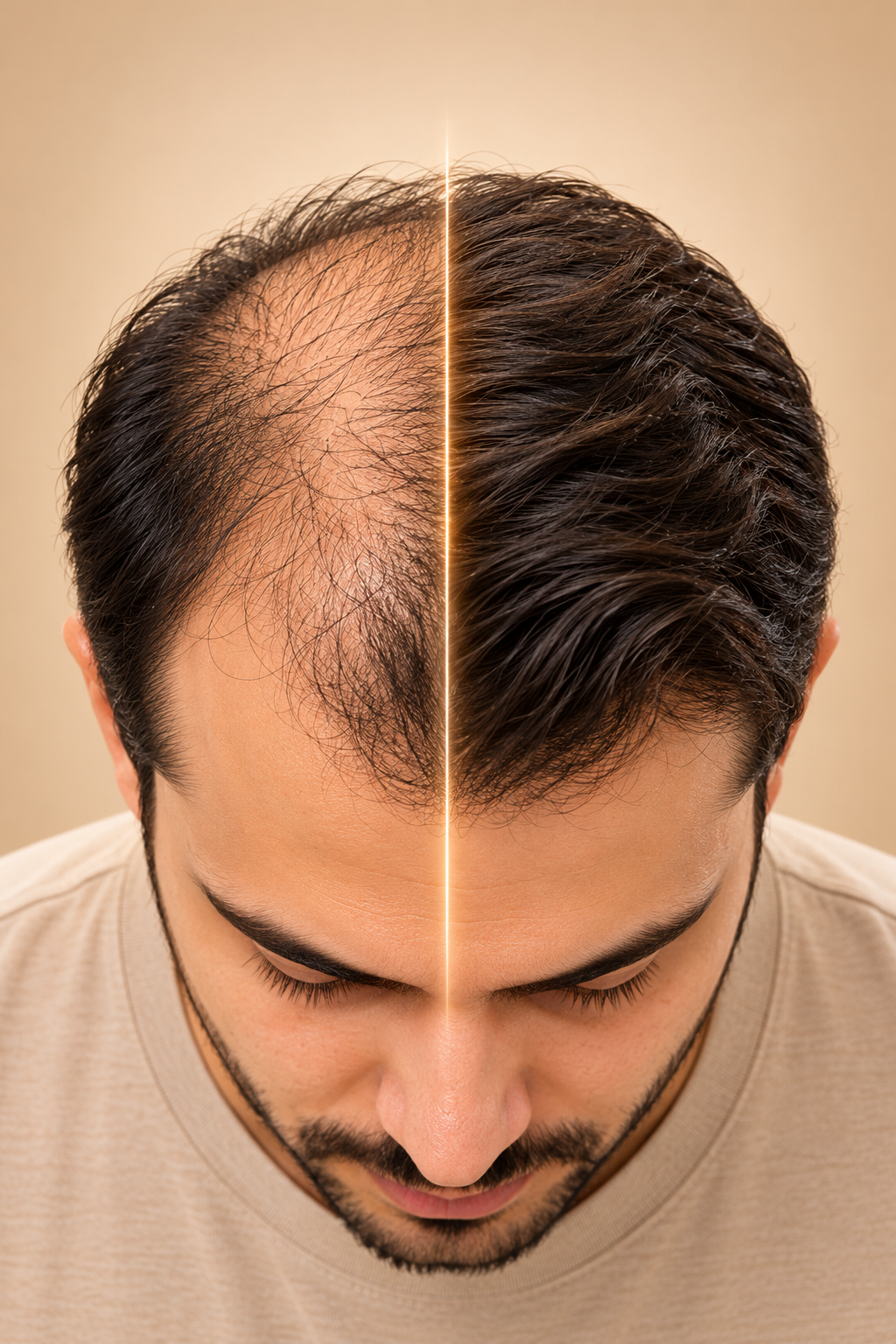
Male Pattern Hair Loss
It commonly begins around the temples, the frontal hairline, the crown, or a combination of these areas. Early evaluation can help determine whether medical or non-surgical treatment options may be appropriate before considering surgery.
Common Signs & Characteristics:
The objective is not simply to sell a treatment. It is to help you make an informed decision about your hair.
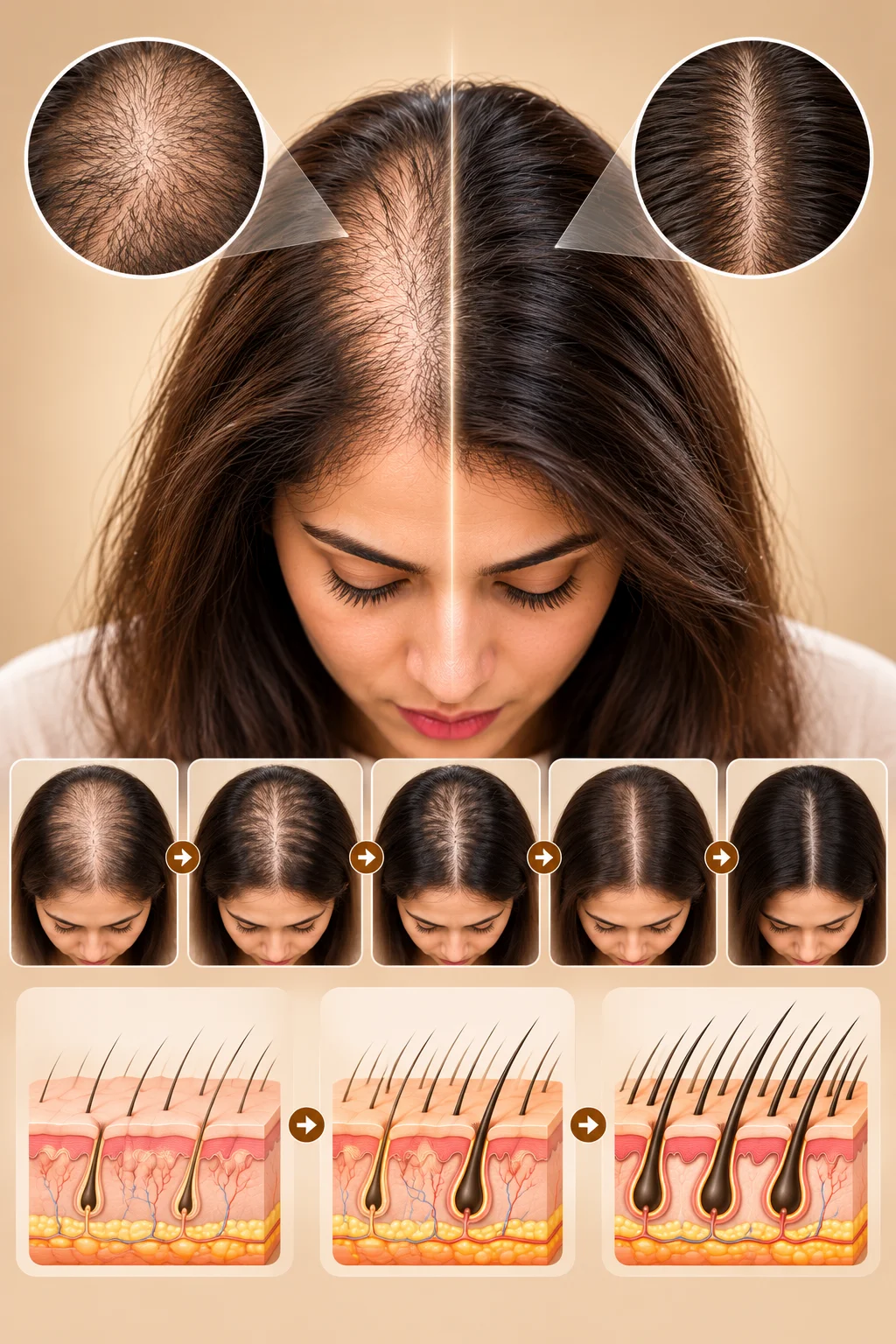
Female Pattern Hair Loss
Because female hair loss can have several possible causes (hormonal fluctuations, ferritin levels, thyroid function, and genetics), identifying the underlying factors is particularly important. Depending on the situation, professional medical assessment and appropriate investigations may be recommended.
Women may notice:
Minoxidil can influence the hair-growth cycle and may help maintain or improve hair density in appropriate patients.
Important considerations

Receding Hairline
It may appear as:
A receding hairline does not automatically mean that a hair transplant is required.The first step is understanding whether the hairline is stable, progressively changing, or affected by another cause.
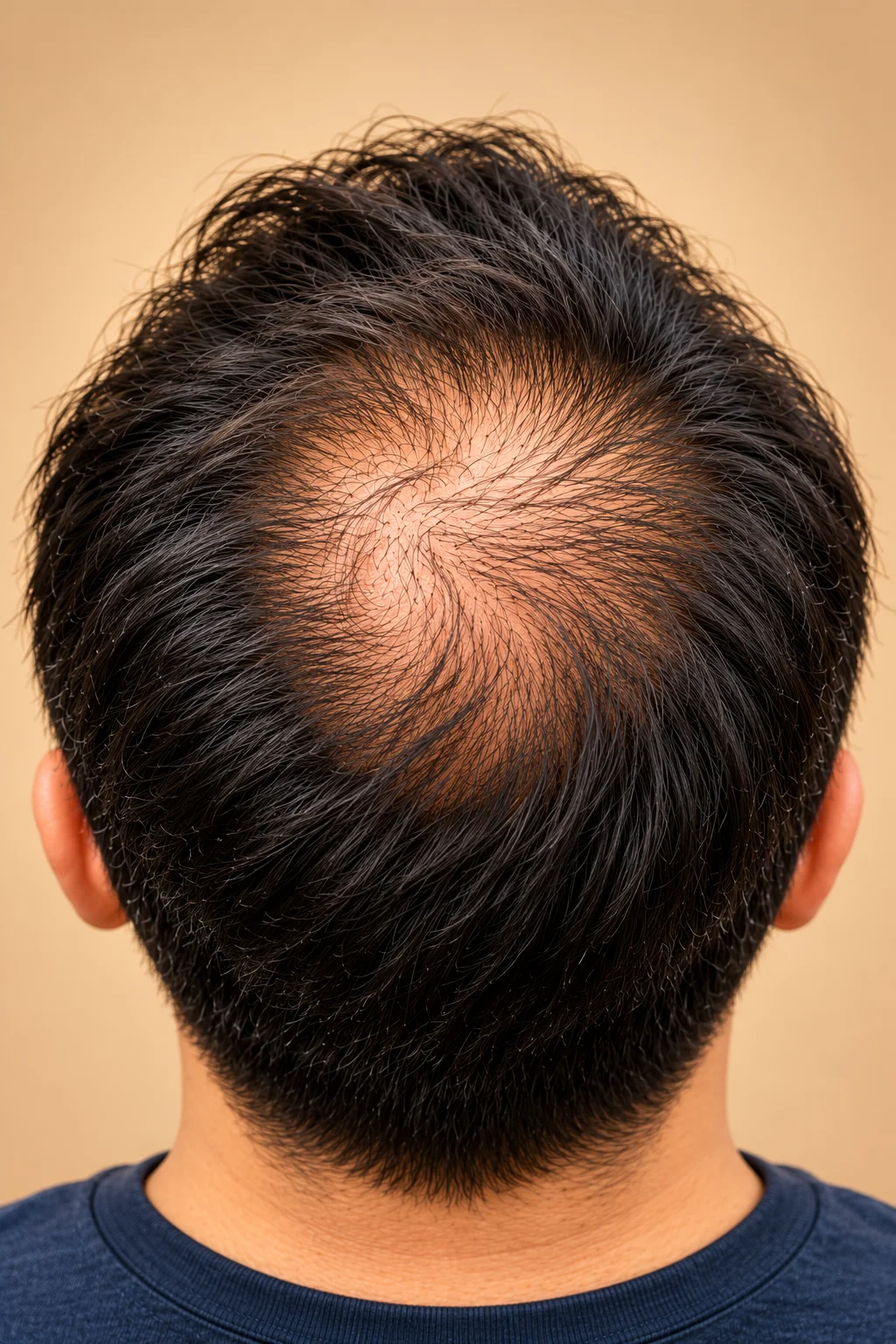
Crown Thinning
Crown thinning may initially be difficult to notice because it develops gradually and is often more visible under bright lighting or when viewed from above.
Signs may include:
The size and progression of crown thinning are important considerations when evaluating treatment options.

Diffuse Thinning
It may affect:
Diffuse thinning can have different causes, including genetic hair loss, temporary shedding, nutritional factors, medical conditions and other triggers.
Because the causes can differ significantly, proper assessment is particularly important before deciding on treatment.

When Should You Seek Professional Advice?
The earlier the cause is understood, the more clearly your available options can be discussed.